How to Create A Counter Top Drop Zone That Isn’t A Pile!
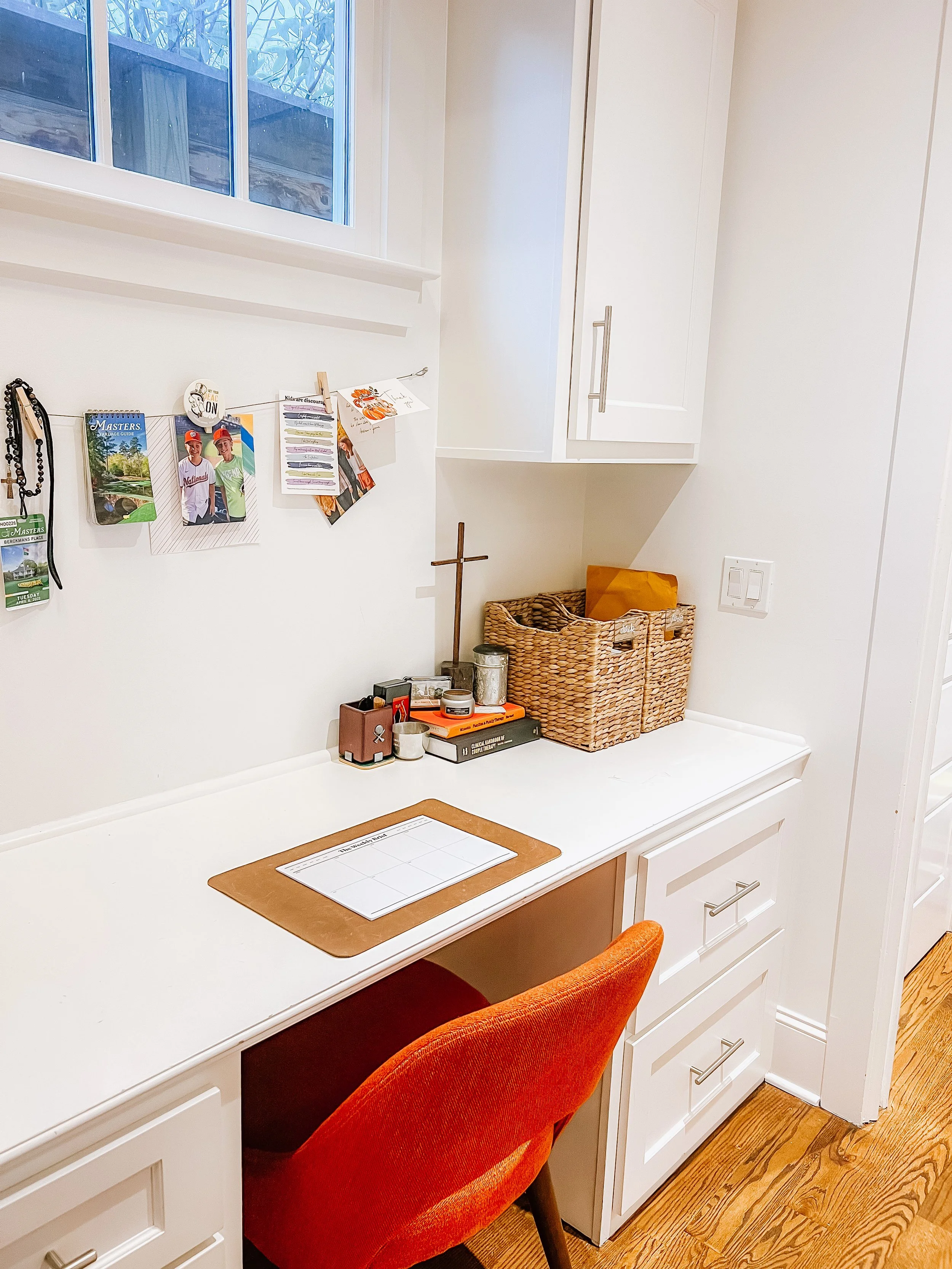
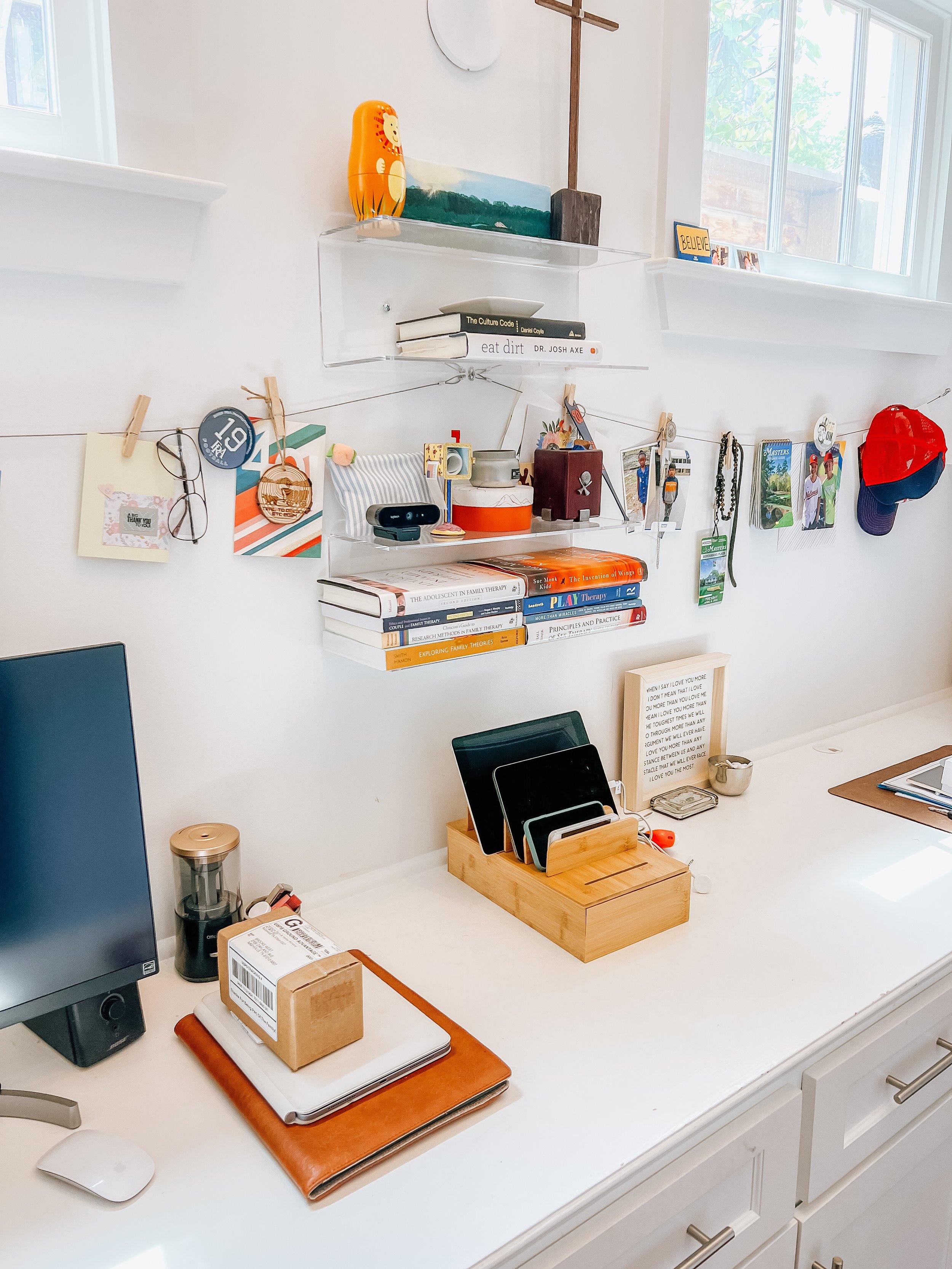
If your kitchen counter tends to collect mail, keys, bags, sunglasses, school papers, and random “I’ll deal with this later” items — you’re not doing anything wrong. Countertops naturally become drop zones because they’re convenient, visible, and central to daily life.
The goal isn’t to eliminate a drop zone altogether. It’s to turn the pile into a system.
Here’s how to create a countertop drop zone that stays functional — without constantly turning into clutter.
Step 1: Accept That a Drop Zone Is Necessary
The first step is mindset: most homes need a drop zone. Pretending you don’t usually leads to clutter spreading everywhere else.
A drop zone works best when it’s:
Intentional
Contained
Easy to reset
Instead of fighting the habit, give it a designated home.
Step 2: Contain the Clutter (This Is Key)
The biggest difference between a pile and a system is boundaries.
Use one (or two) of the following:
This creates a physical limit. When the container fills up, it’s your cue to reset — before the clutter spills across the counter.
Rule of thumb:
If it doesn’t fit in the container, it doesn’t belong there.
Step 3: Keep Categories Broad and Simple
Over-sorting is one of the fastest ways a drop zone fails.
Instead of separate organizers for every item, aim for 2–3 loose categories:
Everyday essentials (keys, wallet, sunglasses)
Papers that need action
Small personal items
The simpler the system, the more likely it is to be used consistently — especially during busy mornings or end-of-day chaos.
Step 4: Pair the Drop Zone With Vertical Storage
Counters stay clearer when the drop zone isn’t doing all the work.
Add nearby support:
A wall hook for bags or keys
A small wall file for papers
A drawer close by for overflow items
This allows the countertop drop zone to stay light and intentional — not overloaded.
Step 5: Make It Visually Belong on the Counter
A drop zone that looks intentional is far more likely to stay tidy.
Choose materials and colors that blend into your space:
Wood, ceramic, stone, or neutral tones
Low-profile containers (nothing too tall or bulky)
Pieces that feel more like décor than storage
When it looks good, it feels less like clutter — and more like part of your home.
Step 6: Build in a Quick Reset Habit
Even the best drop zone needs maintenance — but it doesn’t have to be a big task.
A few easy reset options:
Five minutes while dinner cooks
A quick end-of-day sweep
A weekly paper sort
Consistency matters more than perfection. A drop zone that’s reset often never has the chance to become overwhelming.
A Final Reminder
A countertop drop zone doesn’t need to be empty to be organized. It just needs structure.
When you give everyday items a clear place to land — and a clear limit — your counters stay calmer, your mornings run smoother, and the clutter doesn’t creep into the rest of your home.
A system that works most of the time is a system that’s doing its job.